
When the Problem Isn’t Obvious
Some vehicle issues don’t show clear faults, codes, or repeatable symptoms. These cases require deeper testing to understand how systems behave under real conditions. Advanced troubleshooting focuses on identifying faults that standard checks often miss.
Scope-based testing for intermittent faults, signal irregularities, and complex electrical or control issues.
Why Some Problems Are Hard to Trace
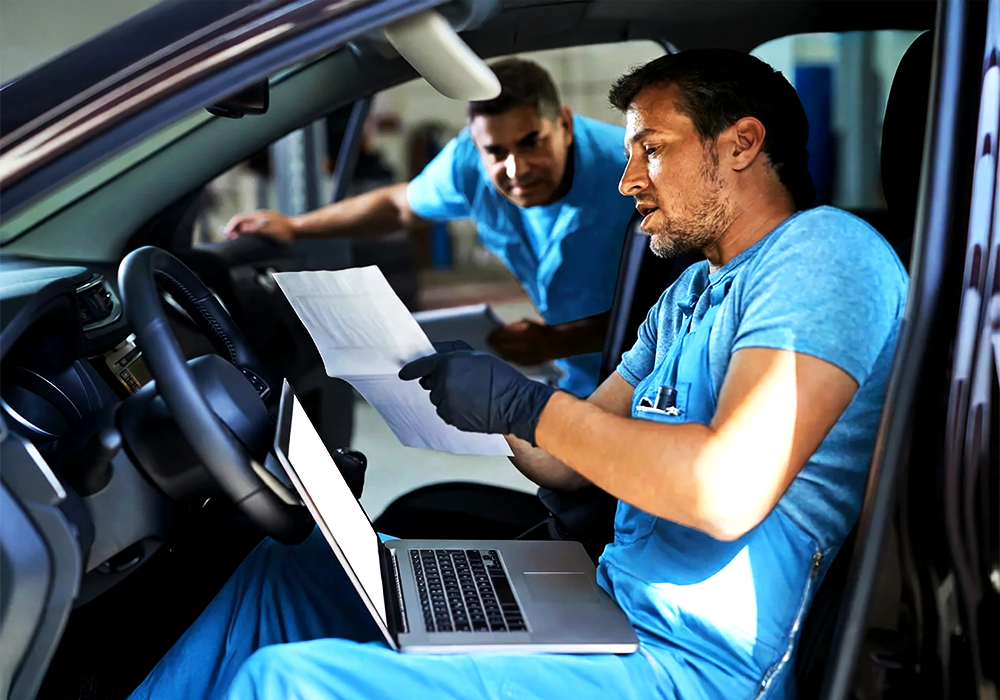
Not all vehicle problems produce fault codes or consistent symptoms. Some issues appear only under specific conditions, making them difficult to detect during routine checks. These situations require deeper analysis of signals and system behavior.
In these cases, advanced testing is needed to understand what’s happening beneath the surface.

OPEN HOURS
How Advanced Troubleshooting Is Performed
Advanced troubleshooting goes beyond basic scans. It involves monitoring real-time electrical and communication signals to see how systems behave during operation. This allows faults to be identified at the moment they occur.